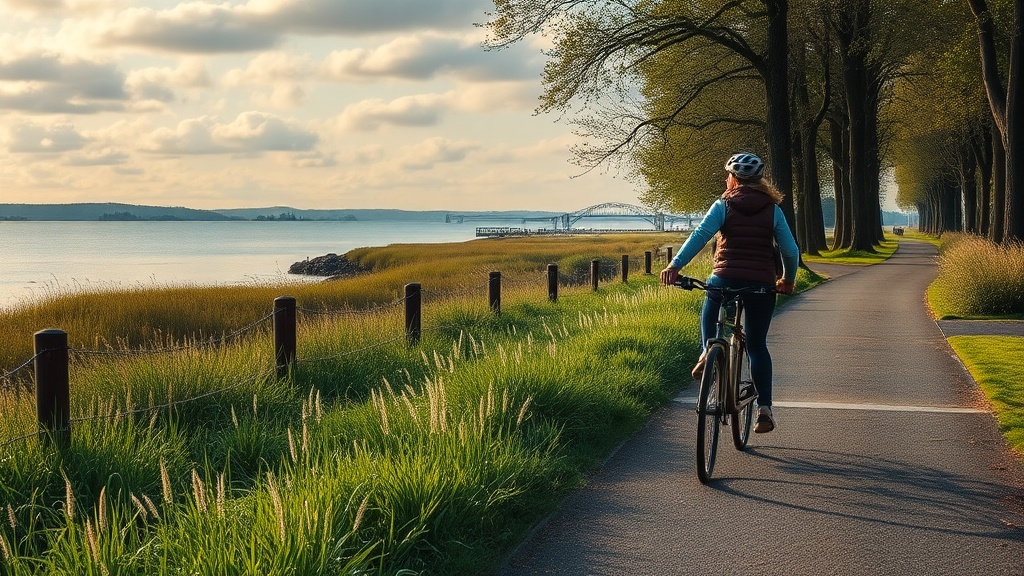
Enjoying a Scenic Bike Ride Along the Estuary Path

A cyclist pulls over to catch their breath near the water, looking at a map and realizing they've underestimated the wind coming off the St. Lawrence. They aren't alone; many people attempt the estuary paths without a clear plan for the weather or the terrain. This guide covers everything you need to know about riding the paths around Rivière-du-Loup, from choosing the right gear to knowing exactly where to stop for a snack.
What is the best time of year to bike the Estuary path?
The best time to ride the estuary paths is between late June and early September when the weather is stable and the wind is less biting. While you can ride in May, the humidity and occasional spring rain can make the paths slippery. By mid-summer, the views of the water are unbeatable, though you'll want to be mindful of the heat.
If you're planning a trip, keep an eye on the Environment Canada weather reports. The weather in the Bas-Saint-Laurent region changes fast—one minute it's sunny, the next a fog bank rolls in from the river. It's not uncommon to see a sudden temperature drop near the water.
For those who love a quiet ride, early morning is the sweet spot. You'll have the path to yourself, and the light hitting the water is spectacular. Just don't forget your coffee.
What gear do I need for a long ride in Bas-Saint-Laurent?
You need a reliable bicycle, a helmet, and layers that can handle a sudden breeze off the St. Lawrence. Since the wind can be unpredictable, wearing a light windbreaker—like a Patagonia Houdini—is a smart move even if it looks warm when you leave your house.
I've seen plenty of people head out in just a T-shirt and end up shivering by the time they reach the halfway point. It's a mistake you don't want to make. Here is a quick checklist of what actually matters:
- A sturdy helmet: Safety isn't negotiable.
- Water bottle: Stay hydrated, especially if the sun is out.
- Sun protection: Even with a breeze, the UV rays near the water are strong.
- Small toolkit: A basic multi-tool and a spare tube can save a trip.
- Lightweight jacket: Something windproof for when the estuary breeze kicks up.
If you're looking for high-quality cycling gear, you might want to check out specialized cycling equipment standards to ensure your bike is up to the task. Most of the paths here are paved or well-maintained gravel, so a hybrid or mountain bike works perfectly.
One thing to note—don't forget a snack. There aren't many shops directly on the path, so you'll want to pack something substantial.
How much does it cost to rent a bike locally?
Bike rental prices in the Rivière-du-Loup area typically range from $20 to $40 per day depending on the type of bike you choose. Most local shops offer much cheaper rates for a few hours if you just want a quick spin around the waterfront.
Here is a breakdown of what you might expect to spend for a day out:
| Item/Service | Estimated Cost (CAD) | Notes |
|---|---|---|
| Standard Hybrid Rental | $25 - $35 | Best for paved paths. |
| Mountain Bike Rental | $35 - $50 | Good for slightly rougher sections. |
| Helmet Rental | $5 - $10 | Often included with the bike. |
| Coffee & Snack | $10 - $15 | Essential for a long ride! |
It's worth noting that renting is often better than buying if you're only visiting for a weekend. You don't have to worry about storage or maintenance—the shop handles all of that. If you're planning to stop for a meal after your ride, you might want to look into picking the best seasonal seafood at the local markets to fuel up properly.
Pro-Tips for a Smooth Ride
The wind is the biggest factor when riding along the estuary. If the wind is blowing hard from the south, riding north will feel like a struggle. Always check the wind direction before you head out. If it's a heavy wind day, you might want to save the long stretches for a calmer morning.
Also, keep an eye on your energy levels. It's easy to get carried away by the views and realize you're too tired to get back. If you find yourself near the park areas, it's a great time to pause. You can even catch the best sunset views at Parc de la Pointe if you've timed your ride right.
Don't forget to watch for pedestrians. The paths are shared with joggers and families with strollers. It's a local courtesy to ring your bell—gently—if you're approaching someone from behind. It's much better than a sudden shout.
Lastly, if you find yourself needing a break, there are plenty of spots to sit and enjoy the scenery. A quick stop at a local bakery can make the experience even better. If the weather turns a bit grey, you might find yourself looking for cozy cafés and bakeries to warm up in.
Steps
- 1
Check the Weather and Wind Direction
- 2
Choose the Right Bike for the Terrain
- 3
Pack Essential Hydration and Snacks
- 4
Identify Scenic Rest Stops Along the Way