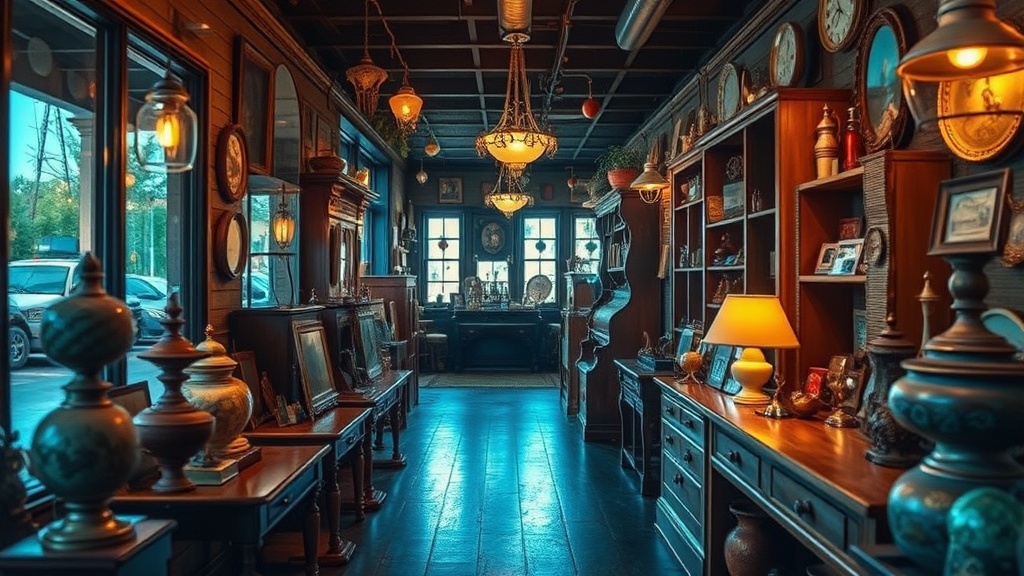
Finding Hidden Gems in the Local Antique Shops

Did you know that nearly 30% of antique items sold in Quebec auctions are actually undervalued due to a lack of documented provenance? This post breaks down how to identify high-quality vintage pieces, where to look in the Bas-Saint-Laurent region, and how to verify the authenticity of your finds. Whether you're hunting for mid-century modern furniture or rare Quebecois folk art, understanding the local market is the difference between a cheap souvenir and a genuine investment.
What Should You Look for in Local Antiques?
You should look for solid construction, maker's marks, and historical regional relevance. In our part of Quebec, many high-quality pieces are made from local woods like maple or cherry, which makes them much more durable than modern particle-board furniture. If you see a piece with heavy dovetail joints, it's a sign of quality craftsmanship.
Keep an eye out for specific hallmarks. A genuine piece of 19th-century pottery or a hand-carved wooden bowl often has a specific weight and texture that mass-produced items lack. It’s not just about the look; it’s about the tactile feel.
Don't forget to check the underside. The true character of a piece—the marks of the maker—is often hidden where the light doesn't hit. A quick glance at the bottom of a ceramic plate or the back of a wooden cabinet can reveal a lot.
If you find something that looks a bit too perfect, it might be a modern reproduction. Real vintage items usually show some signs of age, like minor patina or small imperfections. This isn't a flaw—it's history.
The "Three-Point Check" for Quality
- Material Weight: Is it heavy and solid (like cast iron or solid oak) or light and hollow (like plastic or veneer)?
- Connection Points: Look for screws, nails, or joinery rather than glue and staples.
- Texture and Patina: Does the surface have a natural wear pattern, or does it look artificially aged?
Where Can I Find the Best Antique Shops Near Rivière-du-Loup?
The best antique finds are often located in smaller towns surrounding Rivière-du-Loup or in specialized flea markets throughout the Bas-Saint-Laurent. While the main streets of the city have lovely shops, the real "gold" is often tucked away in the smaller, more rural outposts.
Many collectors recommend hitting the seasonal flea markets (marchés aux puces) during the warmer months. These are less curated than high-end antique galleries, which means you might find a genuine treasure for a fraction of the price. It's a bit of a gamble, but the payoff is huge.
If you're looking for something specific, like a vintage piece of kitchenware or old Canadiana, check out the local thrift stores. Sometimes, a shop might not even realize they have a collectible item on the shelf.
A great way to spend an afternoon is to drive through the surrounding municipalities. One day you might be in Rimouski, the next you might be exploring a small shop in Kamouraska. The scenery is beautiful, and you can always pair your hunt with planning a perfect picnic by the St. Lawrence River to make a day of it.
| Item Type | What to Look For | Common Local Find |
|---|---|---|
| Furniture | Dovetail joints, solid wood | Maple sideboards, Oak chairs |
| Kitchenware | Stoneware, heavy ceramic | Vintage copper pots, Pyrex |
| Decor | Hand-blown glass, brass | Art Nouveau vases |
| Textiles | Linen, hand-stitched details | Old Quebecois quilts |
How Do I Know if a Vintage Item is Real?
Verification requires checking for maker's marks, examining the material's weight, and researching the era's manufacturing techniques. You can't always rely on a seller's word alone—even if they seem incredibly knowledgeable.
First, look for a signature or a stamp. Many high-end brands from the early 20th century, such as Wedgwood or various local Quebec pottery makers, left very distinct marks. If a piece claims to be from a certain era but lacks any identifying mark or has a "Made in China" sticker, proceed with caution.
Second, examine the weight. If you're looking at a "silver" spoon, but it feels incredibly light and lacks the heft of sterling silver, it's likely silver-plated. This is a common way people get misled in the antique-hunting world.
Third, use the internet to your advantage. You can use sites like Google Lens to do a quick visual search of an item to see if similar pieces appear in museum collections or auction catalogs. This can give you a baseline for what the item should look like.
The catch? Even with research, you might not be an expert. If you're buying something expensive, it's worth paying a professional to look at it. It's much better to spend fifty dollars on an appraisal than to spend five hundred on a fake.
The way you check for authenticity can change based on the item. For example, checking a piece of jewelry is different from checking a piece of furniture. For jewelry, you're looking at hallmarks and metal purity; for furniture, you're looking at wood grain and joinery.
It's also helpful to know the history of the local region. If you're looking at a piece of "folk art" from the Bas-Saint-Laurent, it should reflect the materials and styles available in this part of Quebec during that specific time period.
If you find yourself stuck on a rainy afternoon, you might enjoy browsing local shops before heading to one of the cozy cafés and bakeries in the area. It’s a great way to stay inspired and keep your eyes sharp for your next find.
One thing to remember: don't be afraid to ask questions. Most local shop owners in the Rivière-du-Loup area are passionate about their inventory. They'll often tell you exactly where a piece came from or how it was made if you show genuine interest.
Buying antiques is a skill that improves with time. The more you look, the more you'll notice the subtle differences between a mass-produced item and a true collector's piece.
Sometimes, the best way to learn is to start small. Buy a small ceramic piece or a piece of vintage glassware first. This allows you to practice your "eye" without a huge financial risk.
Whether you're looking for a centerpiece for your dining room or just a small trinket for your desk, the local antique scene in our region has so much to offer. It just takes a little bit of patience and a lot of curiosity.
Steps
- 1
Research the local antique district
- 2
Check local community boards for pop-up sales
- 3
Bring a small bag for your finds
- 4
Ask shop owners about upcoming inventory