How to Join and Thrive in a Community Garden Plot in Riviere-du-Loup

What's the first step to getting your own garden space in Riviere-du-Loup?
Living in Riviere-du-Loup means we're surrounded by beautiful agricultural land, but not everyone has a backyard big enough for tomatoes, herbs, or those ambitious squash plants you've been dreaming about. If you've been wondering how to get your hands dirty and grow your own food without moving to the outskirts of town, community gardening might be exactly what you need. This guide covers everything you need to know about securing a plot, understanding the local growing season, and becoming part of Riviere-du-Loup's community gardening culture — whether you're a complete beginner or someone looking to get back into growing after years away from the soil.
Where can I find community garden plots in Riviere-du-Loup?
Riviere-du-Loup has several community garden initiatives scattered throughout different neighborhoods, and the good news is that new plots open up every spring. The Ville de Riviere-du-Loup manages some municipal garden spaces, while local community groups and churches maintain others. Your best starting point is contacting the city's recreation department directly — they'll tell you which gardens have availability and what's on the waitlist.
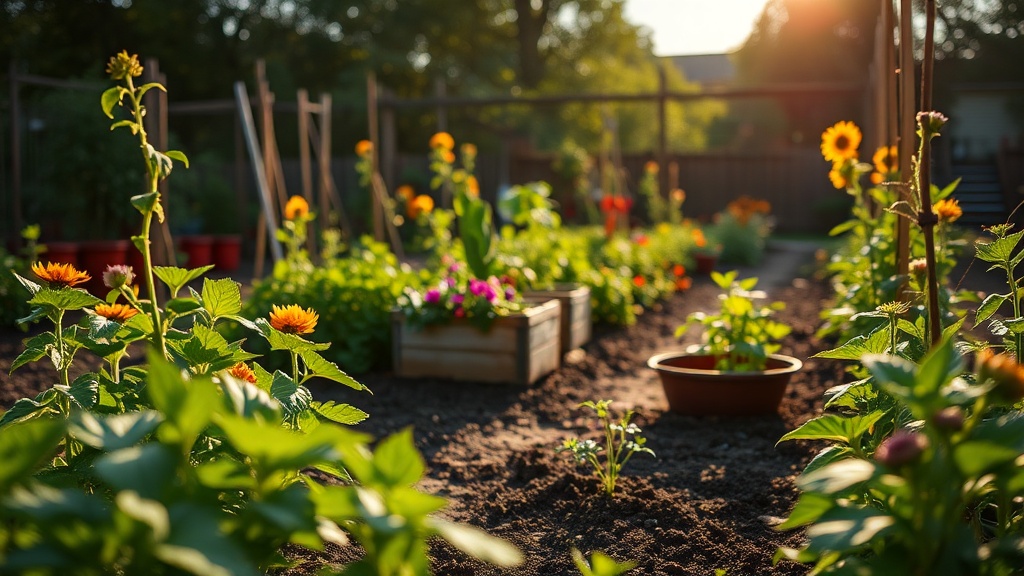
The most established community gardens in our area tend to be near the older residential neighborhoods, where vacant lots have been transformed into productive green spaces. Some plots are raised beds (easier on the back), while others are traditional in-ground gardens. Don't be shy about asking to visit a site before committing — most garden coordinators in Riviere-du-Loup are happy to show newcomers around and explain the rules. Speaking of rules, every garden has them: some allow only organic growing methods, others have specific watering schedules to manage limited hose access, and nearly all require you to maintain your plot throughout the season or risk losing it next year.
Costs vary depending on the location. Municipal plots in Riviere-du-Loup typically run between $25 and $50 for the season — a steal when you consider you're getting access to prepared soil, water, and often shared tools. Private community gardens might charge slightly more, but they sometimes include extras like compost, mulch, or organized workshops. If cost is a barrier, ask about subsidy programs; several local organizations in Riviere-du-Loup offer assistance for low-income residents who want to grow their own food.
What grows best in Riviere-du-Loup's climate and soil?
Here's where local knowledge really matters. Riviere-du-Loup sits in a unique microclimate along the St. Lawrence River — we're in Zone 4b according to Canada's plant hardiness zones, which means our growing season runs from roughly late May through early October. That gives us about 120-140 frost-free days, which is plenty for most vegetables if you plan accordingly.
Our soil in Riviere-du-Loup tends toward clay-heavy compositions, which holds moisture well but can be slow to warm in spring. When you get your plot, resist the urge to plant immediately — even if the sun is shining and you're itching to start. Spend a weekend amending your soil with compost (the municipal composting facility sometimes offers free or low-cost compost to residents), and consider doing a simple soil test. Many experienced gardeners in our community add sand and organic matter to improve drainage.
What actually thrives here? Root vegetables do exceptionally well in Riviere-du-Loup's cool summers — think carrots, beets, turnips, and potatoes. Leafy greens (lettuce, spinach, kale) love our spring and fall weather. For warm-season crops like tomatoes and peppers, you'll want to start seeds indoors in March or buy seedlings from local greenhouses in late May. The Ferme Marcel Dube and other local suppliers typically have varieties selected for our shorter growing season. Don't bother with crops that need long, hot summers — watermelons and okra will struggle here no matter how much you coddle them.
How do I connect with other gardeners in Riviere-du-Loup?
The best part of community gardening isn't the cheap produce — it's the community. Riviere-du-Loup has a surprisingly active network of gardeners who love sharing knowledge, trading seeds, and helping newcomers avoid rookie mistakes. Once you have your plot, introduce yourself to your garden neighbors. Ask what they're growing, what worked last year, and what pests to watch out for. Our local gardeners are a generous bunch.
Watch for the annual Seedy Saturday event that happens in Riviere-du-Loup each spring — it's part seed swap, part workshop series, and completely invaluable for anyone growing food in our region. The Musee regional de Riviere-du-Loup sometimes hosts gardening talks and demonstrations through their community programming. Local Facebook groups focused on Riviere-du-Loup gardening are also active, especially during planting and harvest seasons when everyone's looking to share surplus zucchini or troubleshoot mysterious leaf spots.
Many community gardens in Riviere-du-Loup organize work bees a few times each season — group sessions where everyone tackles shared tasks like path maintenance, compost turning, or fence repairs. Show up for these. You'll learn more in an afternoon of working alongside experienced gardeners than you will from any book, and you'll earn goodwill that pays dividends when you need someone to water your plot during a weekend away.
What common mistakes should beginners avoid?
First-timers in Riviere-du-Loup community gardens consistently make the same errors — and most of them are completely avoidable. Overplanting is the big one. That tiny tomato seedling will grow into a sprawling monster that crowds out everything around it. Read spacing recommendations and believe them. Start small; you can always expand next year once you understand how much time and energy gardening actually requires.
Pest management trips up a lot of new gardeners here. Riviere-du-Loup has its share of garden pests — slugs love our damp summers, flea beetles attack brassicas, and cabbage worms can devastate cole crops if you're not vigilant. But don't reach for chemical sprays; most community gardens prohibit them anyway, and they're rarely necessary. Hand-picking, row covers, and encouraging beneficial insects will handle 90% of your problems. Plant some flowers among your vegetables — marigolds, nasturtiums, and calendula attract pollinators and confuse pests.
Watering seems obvious but gets botched constantly. Most vegetables want consistent moisture, not alternating floods and droughts. Early morning watering is best — it gives leaves time to dry before evening, reducing disease pressure. If your Riviere-du-Loup community garden has limited water access (many do), invest in a good watering can and plan your visits accordingly. Mulching heavily with straw or shredded leaves will dramatically reduce how often you need to water and keeps weeds down too.
Finally, don't abandon your plot mid-season. Nothing frustrates garden coordinators more than overgrown, weedy plots that spread problems to neighboring gardens. If life gets complicated and you can't maintain your space, communicate with your garden's leadership. They'd rather help you find a solution than watch your plot turn into a mess. Riviere-du-Loup's gardening community is understanding — but only if you're upfront about your situation.
When should I start planning for next season?
Experienced gardeners in Riviere-du-Loup start thinking about next year before this season even ends. Fall is the perfect time to assess what worked, what didn't, and what you want to try differently. Take photos of your plot at peak production — they'll help you remember layout details when you're sketching plans during winter. Save seeds from your best-performing plants; many heirloom varieties adapt to local conditions over time, and seeds from plants that thrived in Riviere-du-Loup's specific climate will likely perform even better next generation.
Renew your plot early. Popular community gardens in Riviere-du-Loup often fill up by February or March, with returning gardeners getting first dibs. Mark your calendar to contact coordinators in January if you want the same spot next year. Use the winter months to research new varieties, start a compost bin at home, or build simple structures like trellises and cold frames. By the time the snow melts and the soil warms, you'll be ready to hit the ground running — literally.
Growing food in a community garden connects you to something larger than yourself. You're part of a tradition of Riviere-du-Loup residents who've been cultivating this land for generations, and you're building relationships with neighbors who share your values. There's something deeply satisfying about harvesting dinner from a plot you tended yourself, knowing exactly how it was grown and who grew it. Our community gardens aren't just about vegetables — they're about cultivating the kind of connected, resilient community we all want to live in.